
In retail design, fixtures do more than hold merchandise — they help tell a brand’s story. While off-the-shelf tables can work for basic display needs, there’s a growing trend toward customized solutions that reflect a store’s personality and merchandising strategy. Custom retail display tables go beyond functionality to create memorable moments that draw customers in and elevate how products are perceived.
The Value of Tailored Fixture Solutions
Every store has its own rhythm, audience, and identity. A boutique focusing on sustainable fashion has different visual needs than a tech accessories shop or a lifestyle store. Custom tables allow retailers to design fixtures that fit their space, brand aesthetic, and product mix — rather than forcing a one-size-fits-all piece into a layout where it doesn’t belong.
A bespoke table gives you control over dimensions, materials, finishes, and functionality. Whether you need additional shelving, hidden storage, lighting integration, or angled platforms for better product visibility, customization ensures your display tables work with your vision, not against it.
Enhancing Brand Identity Through Display Furniture
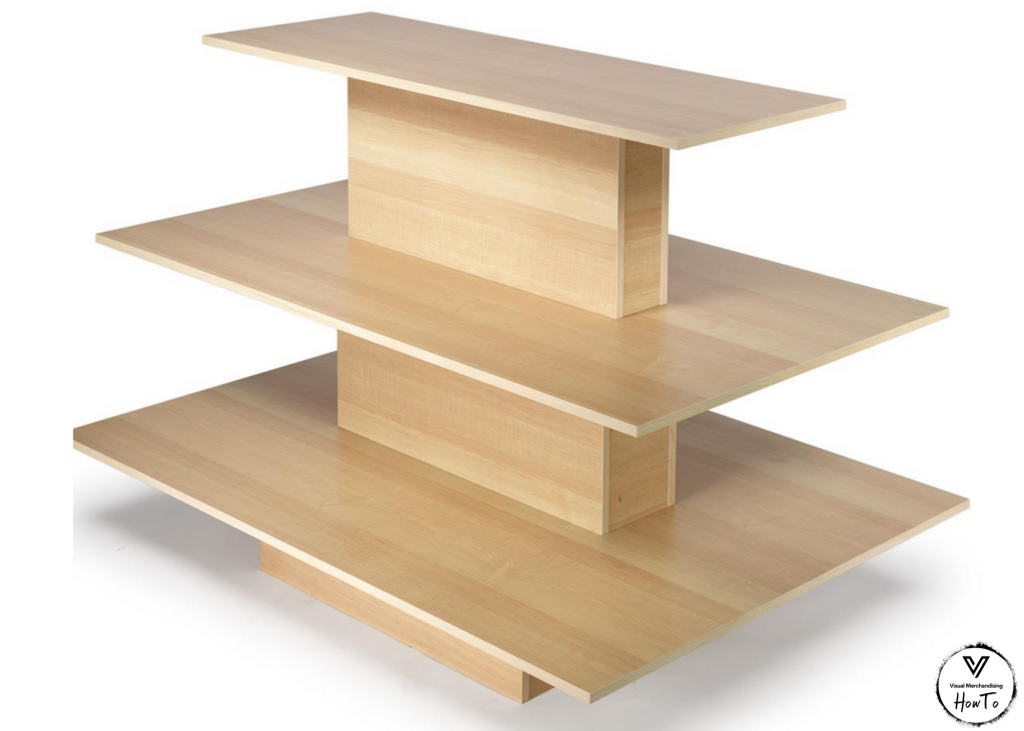
Retail isn’t just about products — it’s about atmosphere. Custom retail display tables serve as brand ambassadors in their own right. A cohesive fixture design can communicate quality, style, and intentionality from the moment customers walk in.
For example:
- A high-end fashion retailer might choose hardwood tables with inlaid accents to reflect luxury and sophistication.
- A youth-oriented boutique may use vibrant colors and creative shapes that feel fun and inviting.
- In a minimalist workspace or tech shop, sleek metal and glass tabletops help reinforce a modern, streamlined look.
By matching custom tables to your brand identity, you enhance the story your store tells — physically and emotionally.
Supporting Versatility in Visual Merchandising
One of the biggest advantages of custom designs is versatility. Unlike standardized tables, custom retail display tables can be built to support a mix of functions — displaying products, storing overflow stock, or serving as interactive demo stations.
Imagine:
- Tables with built-in risers for layering product levels
- Integrated signage or digital display areas
- Hidden drawers for extra inventory
- Modular sections that can be rearranged for seasonal themes
These kinds of features don’t just elevate presentation — they support more dynamic, engaging merchandising strategies.
Improving Customer Engagement and Interaction
A well-designed display invites customers to engage with products rather than just glance at them. Custom tables can optimize sightlines, highlight trending collections, and position merchandise in a way that encourages close inspection. This physical interaction often leads to stronger emotional connection and increased likelihood of purchase.
For instance, placing a best-selling collection on a sleek custom table at the entrance signals importance and makes a strong first impression. Placing interactive or feature items on tables with lower heights invites customers to linger and explore.
Balancing Aesthetics and Practicality
Customization isn’t just about looks — it’s also about improving workflow for staff. Tailored tables can include smart storage solutions, robust hardware for heavy use, and finishes that withstand daily wear. This dual focus ensures tables look great while still being functional for everyday store operations.
When considering your fixtures, think not just about today’s needs but how your layout might change over time. Custom solutions that are adaptable will offer the best long-term value.
Explore Options That Fit Your Vision
If you want display elements that elevate your retail setting and support your merchandising goals, exploring custom retail display tables is a great place to start. With the right design choices, your fixtures can become more than tools — they can become memorable parts of the customer experience.