
Showing: 1 - 2 of 2 RESULTS

Why Static Displays Don’t Sell Clothing (And What to Do Instead)

A lot of clothing stores rely too heavily on static displays. Racks stay the same for weeks, mannequins don’t get updated, and feature areas lose impact because nothing changes. Over time, regular customers stop noticing what’s right in front of them.

If the store looks the same every visit, people assume the product is the same too.

Movement Keeps the Floor Relevant

You don’t need a full redesign every week, but you do need visible changes. Even small adjustments — swapping outfits, rotating featured items, or shifting layouts — can make the store feel active.

Customers pick up on movement. It signals that new stock is coming in, trends are shifting, and it’s worth taking another look.

Mannequins Should Reflect What’s Selling Now

One of the easiest ways to keep displays fresh is updating mannequins regularly. Not just for new arrivals, but for what’s actually moving.

If certain items are selling well, they should be on display. If something isn’t moving, putting it on a mannequin can help — but only if the styling makes sense.

A posable mannequin gives you flexibility here. You can adjust posture and stance to match the outfit. A relaxed pose works for casualwear. A more structured stance fits formal or tailored pieces. It’s a small detail, but it changes how the outfit is perceived.

Don’t Treat Displays Like Storage

This is a common mistake. Displays slowly turn into overflow space.

Extra sizes get added. Random pieces get mixed in. Before long, the display loses its purpose. Customers can’t tell what they’re supposed to focus on.

Displays should be selective. If everything is featured, nothing is.

Keep them tight:

  • one clear outfit or theme
  • minimal extras
  • easy to understand at a glance

Rotate Based on Timing, Not Just Stock

Mannequin Head Display


Most stores only change displays when new inventory arrives. That’s too slow.

You can rotate based on:

  • time of week (weekend vs weekday focus)
  • weather shifts
  • promotions or sales
  • customer traffic patterns

Even moving a mannequin from one area to another can change how customers interact with that section.

Staff Need to Be Able to Reset Quickly

If updating a display takes too long, it won’t get done often enough.

This is where flexibility matters. A posable mannequin should be easy to adjust, not something staff avoid touching because it’s awkward or time-consuming.

Same with the rest of the setup — if it takes 20 minutes to fix a display, it’ll stay messy longer than it should.

Watch What Customers Actually Engage With

You’ll learn more from watching customer behavior than from any plan.

Notice:

  • where people stop
  • what they touch
  • what they ignore

If a mannequin isn’t getting attention, it’s either in the wrong spot or styled wrong. Don’t leave it there hoping it’ll start working.

Change it and test something else.

Keep It Active

Retail floors that stay static go stale fast. You don’t need constant big changes — just consistent small ones.

Mannequins, especially adjustable ones, are one of the easiest tools to keep things moving. Use them properly, update them often, and treat them like part of your selling process — not just decoration.
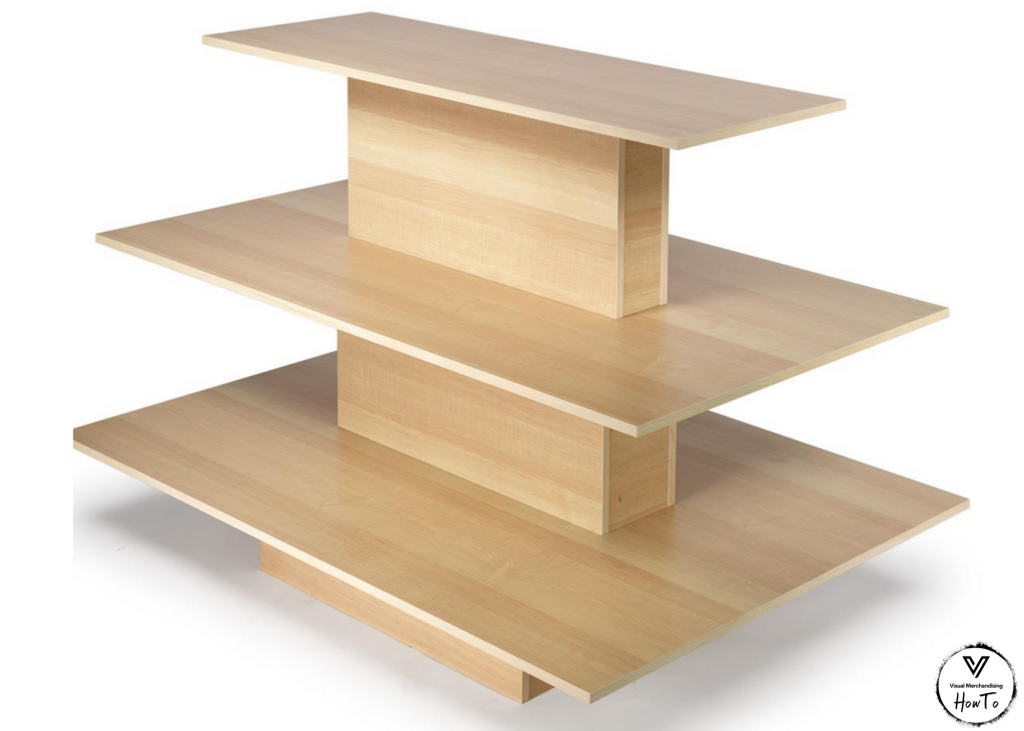
How Custom Retail Display Tables Shape Unique Shopping Experiences

In retail design, fixtures do more than hold merchandise — they help tell a brand’s story. While off-the-shelf tables can work for basic display needs, there’s a growing trend toward customized solutions that reflect a store’s personality and merchandising strategy. Custom retail display tables go beyond functionality to create memorable moments that draw customers in and elevate how products are perceived.

The Value of Tailored Fixture Solutions

Every store has its own rhythm, audience, and identity. A boutique focusing on sustainable fashion has different visual needs than a tech accessories shop or a lifestyle store. Custom tables allow retailers to design fixtures that fit their space, brand aesthetic, and product mix — rather than forcing a one-size-fits-all piece into a layout where it doesn’t belong.

A bespoke table gives you control over dimensions, materials, finishes, and functionality. Whether you need additional shelving, hidden storage, lighting integration, or angled platforms for better product visibility, customization ensures your display tables work with your vision, not against it.

Enhancing Brand Identity Through Display Furniture

Retail Display Tables

Retail isn’t just about products — it’s about atmosphere. Custom retail display tables serve as brand ambassadors in their own right. A cohesive fixture design can communicate quality, style, and intentionality from the moment customers walk in.

For example:

  • A high-end fashion retailer might choose hardwood tables with inlaid accents to reflect luxury and sophistication.
  • A youth-oriented boutique may use vibrant colors and creative shapes that feel fun and inviting.
  • In a minimalist workspace or tech shop, sleek metal and glass tabletops help reinforce a modern, streamlined look.

By matching custom tables to your brand identity, you enhance the story your store tells — physically and emotionally.

Supporting Versatility in Visual Merchandising

One of the biggest advantages of custom designs is versatility. Unlike standardized tables, custom retail display tables can be built to support a mix of functions — displaying products, storing overflow stock, or serving as interactive demo stations.

Imagine:

  • Tables with built-in risers for layering product levels
  • Integrated signage or digital display areas
  • Hidden drawers for extra inventory
  • Modular sections that can be rearranged for seasonal themes

These kinds of features don’t just elevate presentation — they support more dynamic, engaging merchandising strategies.

Improving Customer Engagement and Interaction

A well-designed display invites customers to engage with products rather than just glance at them. Custom tables can optimize sightlines, highlight trending collections, and position merchandise in a way that encourages close inspection. This physical interaction often leads to stronger emotional connection and increased likelihood of purchase.

For instance, placing a best-selling collection on a sleek custom table at the entrance signals importance and makes a strong first impression. Placing interactive or feature items on tables with lower heights invites customers to linger and explore.

Balancing Aesthetics and Practicality

Customization isn’t just about looks — it’s also about improving workflow for staff. Tailored tables can include smart storage solutions, robust hardware for heavy use, and finishes that withstand daily wear. This dual focus ensures tables look great while still being functional for everyday store operations.

When considering your fixtures, think not just about today’s needs but how your layout might change over time. Custom solutions that are adaptable will offer the best long-term value.

Explore Options That Fit Your Vision

If you want display elements that elevate your retail setting and support your merchandising goals, exploring custom retail display tables is a great place to start. With the right design choices, your fixtures can become more than tools — they can become memorable parts of the customer experience.